The Ultimate Northeast Ohio Guide to Basement Waterproofing and Foundation Repair
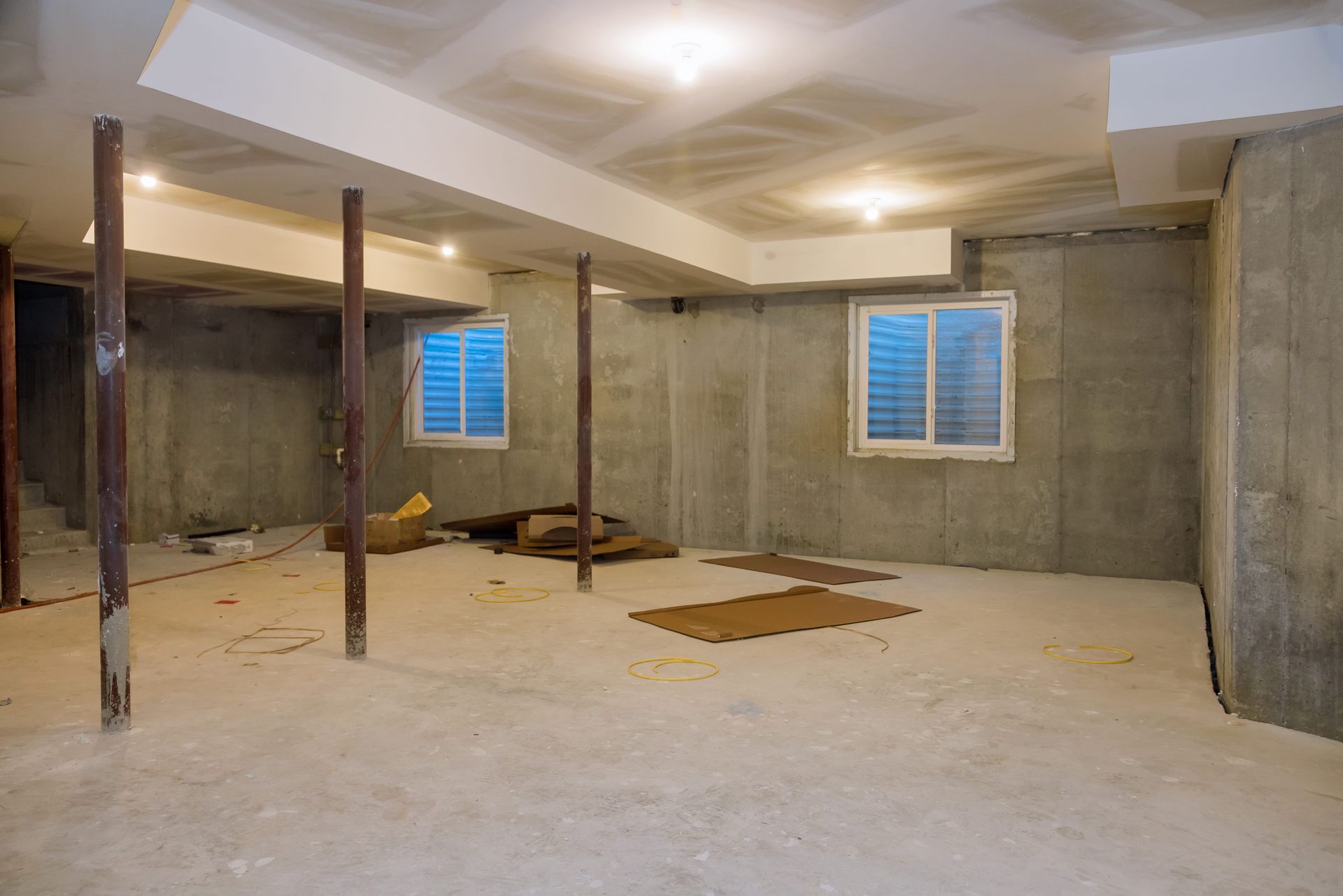
For homeowners in Northeast Ohio, a wet basement is more than just a nuisance—it is a direct threat to your home's structural integrity and your family's health. With our heavy spring rains, rapid snowmelts, and unpredictable freeze-thaw cycles, the soil surrounding your foundation is constantly expanding and contracting. Whether you live in North Royalton, Akron, or Medina, understanding how water interacts with your foundation is the first step to keeping your basement permanently dry.
This guide breaks down exactly why basements leak, how to spot the early warning signs of foundation damage, and the professional methods required to fix them once and for all.
Why Do Basements in Northeast Ohio Leak?
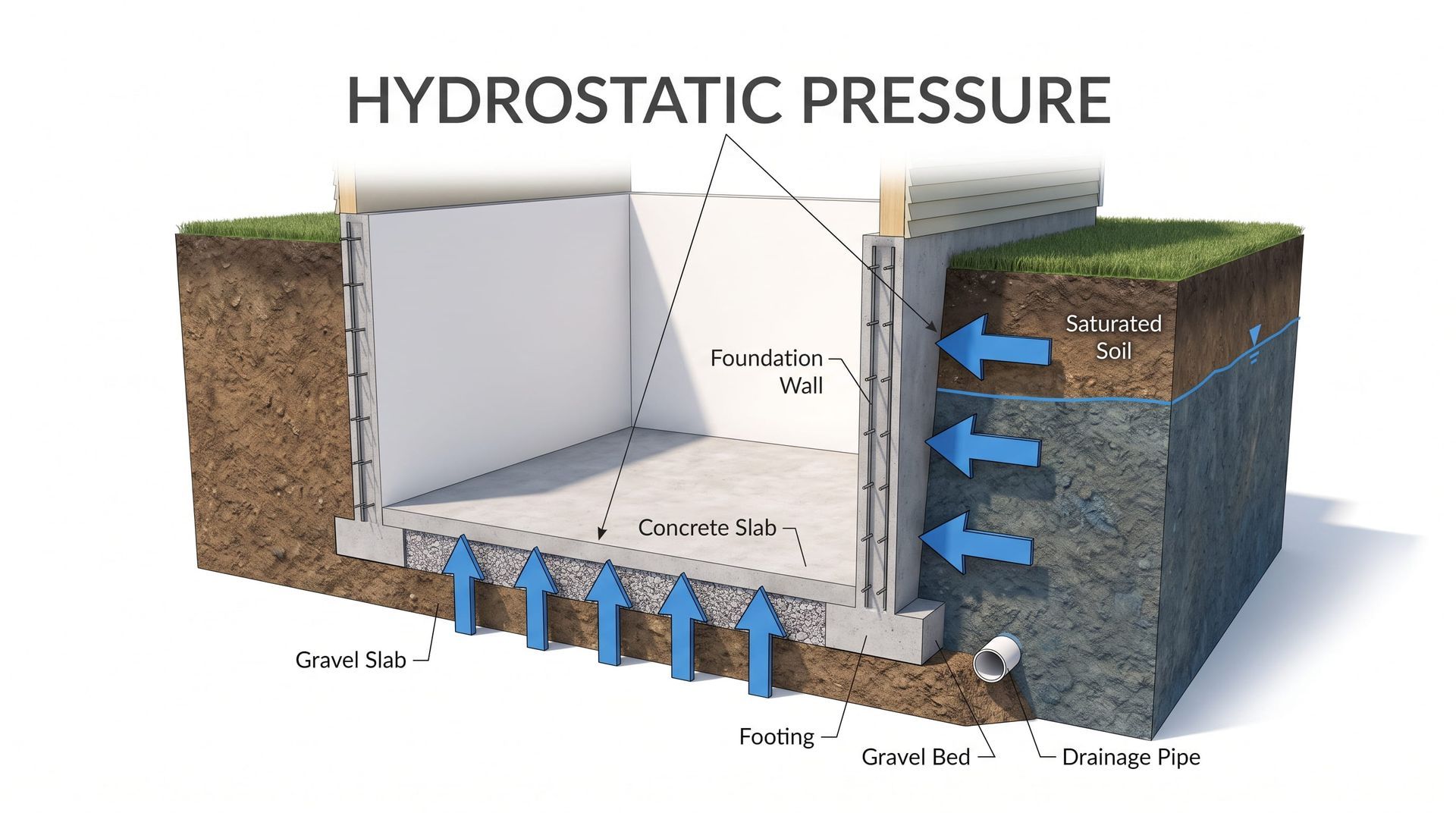
Basements in Northeast Ohio primarily leak due to hydrostatic pressure caused by our region's dense, expansive clay soils. When clay soil absorbs rainwater or melting snow, it expands significantly, pushing massive amounts of weight and water directly against your foundation walls.
Over time, this constant pressure forces water through the path of least resistance. This is why you will typically see leaks occurring in three main areas:
- The Cove Joint: Where the concrete floor meets the foundation wall.
- Wall Cracks: Vertical, horizontal, or stair-step cracks in poured concrete or cinderblock walls.
- Porous Concrete: In older homes, water can literally weep directly through aging cinderblocks that have lost their exterior protective coating.
Early Signs Your Foundation Needs Immediate Attention
Spotting foundation issues early can save you thousands of dollars in major structural repairs. The most common signs of basement water intrusion include a persistent musty odor, visible efflorescence, and active cracking.
- Efflorescence: This looks like a chalky, white powder on your basement walls. It is the mineral salt left behind when water seeps through the concrete and evaporates into the air of your basement.
- Stair-Step Cracks: If you have a block foundation, cracks that resemble a staircase following the mortar lines indicate that the wall is actively bowing inward under soil pressure.
- Damp Spots and Peeling Paint: If the paint on your basement walls is bubbling or peeling off in large flakes, moisture is trapped directly behind it.
Interior vs. Exterior Waterproofing: Which Do You Need?
Choosing between interior and exterior waterproofing depends on whether you need to stop water from entering the walls entirely or if you simply need to manage water that is already making its way beneath your floor. At Lavoie Concrete & Excavation, we specialize in diagnosing the root cause to provide the right solution.
Exterior Excavation: Stopping Water at the Source
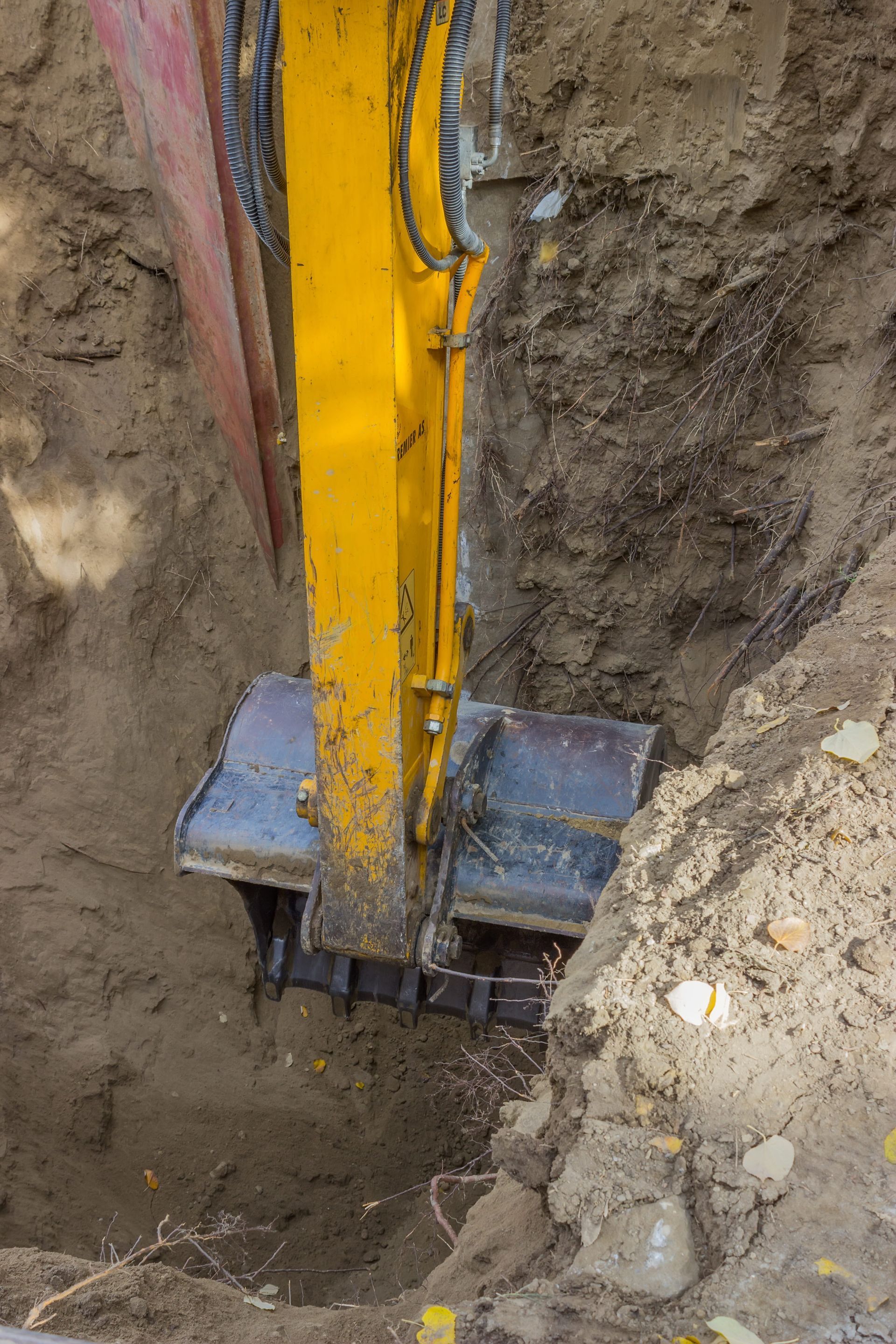
Exterior waterproofing is the most comprehensive solution because it stops water before it ever touches your foundation. Using our heavy equipment, we excavate the dirt around the affected foundation walls all the way down to the footer. We then clean the wall, apply heavy-duty waterproof membranes, install new exterior drain tiles, and backfill with proper drainage gravel. This is the ultimate, permanent fix for failing foundation walls.
Interior Waterproofing: Managing the Water Table
Interior waterproofing systems, often called French drains, manage hydrostatic pressure from underneath the basement floor. This involves breaking up the concrete perimeter of your basement, installing a perforated drainage pipe in a bed of gravel, and routing that water to a dedicated sump pump system. This is highly effective for cove joint leaks and keeping the basement floor completely dry for finishing.
Why DIY Fixes Fail vs. Professional Contractor Solutions
DIY fixes fail because they only address the cosmetic symptom of a leak, not the underlying hydrostatic pressure causing it. Painting a waterproof sealant over a cracked, leaking wall traps moisture inside the concrete, accelerating deterioration and ultimately causing the paint to bubble and fail.
Permanent foundation repair requires heavy equipment, structural knowledge, and an understanding of soil grading. From proper site excavation to structural wall reinforcement, doing it right the first time protects your home's most vital asset.
Don't wait for the next heavy rainstorm to flood your basement.
If you are dealing with moisture, cracks, or active leaks in North Royalton, Broadview Heights, or surrounding areas, contact Lavoie Concrete & Excavation. Call Sam directly at (330) 603-0787 or email lavoieconcreteandexcavation@gmail.com for an honest, free estimate.
What is hydrostatic pressure?
Hydrostatic pressure is the immense force exerted by standing groundwater against a solid structure. In basements, it occurs when saturated soil pushes water horizontally against foundation walls and vertically up through the concrete floor, causing cracks and leaks.
Can I waterproof my basement from the inside only?
Yes, interior waterproofing using a perimeter French drain and sump pump is highly effective for keeping a basement dry. However, it only manages water once it enters the foundation system; it does not stop water from penetrating the exterior walls like exterior excavation does.
How much does basement waterproofing cost in Northeast Ohio?
The cost varies significantly depending on the severity of the issue and the method used. Simple crack injections may cost a few hundred dollars, while comprehensive interior drainage systems or full exterior excavation can range from $5,000 to over $15,000. We offer free on-site inspections to provide an accurate estimate.
Does homeowners insurance cover basement waterproofing?
Generally, standard homeowners insurance does not cover preventative basement waterproofing or damage caused by gradual groundwater seepage. Insurance typically only covers sudden, accidental water damage, such as a burst indoor pipe, which is why proactive maintenance is crucial.
Build it right from the ground up.
Backed by clean job sites, clear communication, and craftsmanship engineered to withstand Ohio’s toughest weather.
Recent Posts